
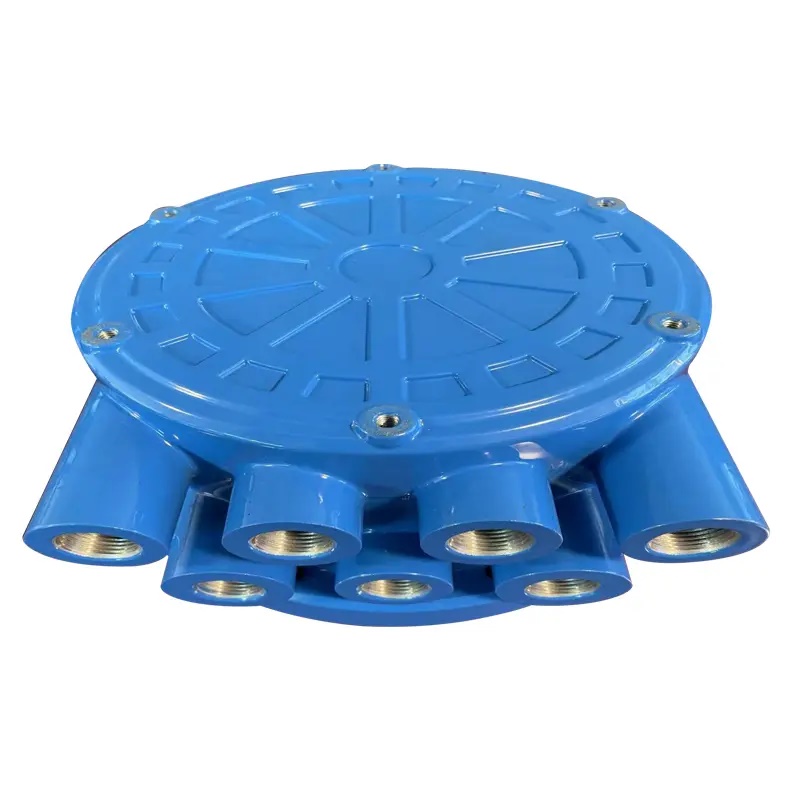
Корпуса электроприборов, изготовленные из литого под давлением алюминия ADC12, обычно нуждаются в конструкции, защите и стабильных монтажных поверхностях. Материал обычный, но конечный результат зависит от того, как корпус спроектирован, обработан и отделан.
| Область | Обзор вопроса |
|---|---|
| Материал | Принимается ли ADC12 или указан другой сплав? |
| Уплотняющая поверхность | Требуется ли обработка на станке с ЧПУ или только удаление заусенцев? |
| Кабельный ввод | Определены ли пределы заусенцев и качество обработки кромки? |
| Покрытие | Какие отверстия или поверхности нуждаются в маскировке? |
| Инспекция | Какие размеры влияют на сборку? |
ADC12 обладает хорошей отливкой для корпусов, крышек и распределительных коробок. Он поддерживает стабильное серийное производство, когда толщина стенок, ребер и выступов проверяется перед изготовлением пресс-формы.
Связанная ссылка:окрашенный корпус распределительной коробки ADC12иконтроль процесса литья под давлением.
| Выбор материала | Типичная причина его использования | Примечание покупателя |
|---|---|---|
| АЦП12 | хорошая литейность и общедоступность | подходит для многих корпусов и крышек |
| Укус0 | также распространено при литье алюминия под давлением | подтвердить региональные предпочтения по материалам |
| Указанный специальный сплав | особые механические или экологические потребности | может повлиять на предложение и время выполнения заказа |
Корпуса электроприборов часто имеют кабельные вводы, резьбовые втулки, лицевые поверхности и поверхности с покрытием. Если резьба или место контакта должны оставаться непокрытыми, это должно быть показано на чертеже. Если требуется уплотнительная поверхность, перед изготовлением формы следует обсудить механическую обработку и плоскостность.
Осмотр должен включать внешний вид, монтажные размеры, посадку крышки, наличие заусенцев вокруг отверстий и состояние покрытия. Если корпус будет собран с электронными компонентами, выборочная проверка сборки может быть более полезной, чем измерение только внешних размеров.
Корпуса электроприборов обычно имеют отверстия для кабелей, интерфейсы для крышек и монтажные стойки. Эти особенности не являются декоративными. Кабельные отверстия требуют контроля заусенцев, поскольку острые края могут повредить провода. При использовании прокладки интерфейсы крышки могут нуждаться в контроле плоскостности. Монтажным стойкам необходима достаточная прочность для винтов, не вызывающая сильной местной усадки. Эти моменты следует рассматривать вместе, поскольку изменение одной особенности может повлиять на оснастку, механическую обработку и покрытие.
Сильный рисунок отделяет обычные поверхности от функциональных. Отметьте пределы заусенцев при открытии кабеля, участки резьбы без покрытия, уплотнительные поверхности и допуски монтажных отверстий. Если деталь будет окрашиваться, покажите, какие отверстия замаскированы. Если корпус имеет крышку, приложите чертеж крышки или раздел сборки, чтобы поставщик понял требования к установке.
| Примечание к рисованию | Заводское действие |
|---|---|
| обработанная уплотнительная поверхность | зарезервируйте запас и определите точку привязки ЧПУ |
| замаскированная нить | защитить во время нанесения покрытия |
| удаление заусенцев с кабельного отверстия | осмотрите край после обрезки и отделки |
Тел:+86 18868921505
Электронная почта:lijianguo@cxhuabo.com
Адрес: Y iheng road, город Чанхэ, город CI, Нингбо, провинция Чжэцзян, Китай

Сканировать Вичат
Авторские права © 2022 Cixi Huabo Machinery Co., Ltd.
Карта сайтаЭтот веб-сайт использует файлы cookie, чтобы обеспечить вам максимально эффективное использование нашего веб-сайта.

 English
 Español
 Français
 日本語
日本語



 WhatsApp
 телефон
Комментарий
(0)